
Why Highly Sensitive People Feel Drained at Work
Many highly sensitive people function well at work on the outside.
They are responsible, precise and attentive, but internally they often feel exhausted.
They are not weak and they do not lack competence.
In many cases the work environment places constant pressure on their nervous system.
After working with highly sensitive clients for about ten years, I often see the same pattern.
Capable professionals who perform well but feel emotionally drained by the rhythm and expectations of their work.
Why Work Feels More Intense for Highly Sensitive People
Highly sensitive people process information more deeply.
They notice small changes in tone, behaviour and atmosphere. They absorb large amounts of sensory and emotional data.
In fast professional environments this continuous processing can overload the nervous system.
A sensitive professional often analyses situations deeply, anticipates problems and cares about quality and responsibility. These qualities are valuable. They also require more mental and emotional energy.
Highly sensitive professionals often experience emotional overwhelm at work because their nervous system processes large amounts of information and emotional signals throughout the day.
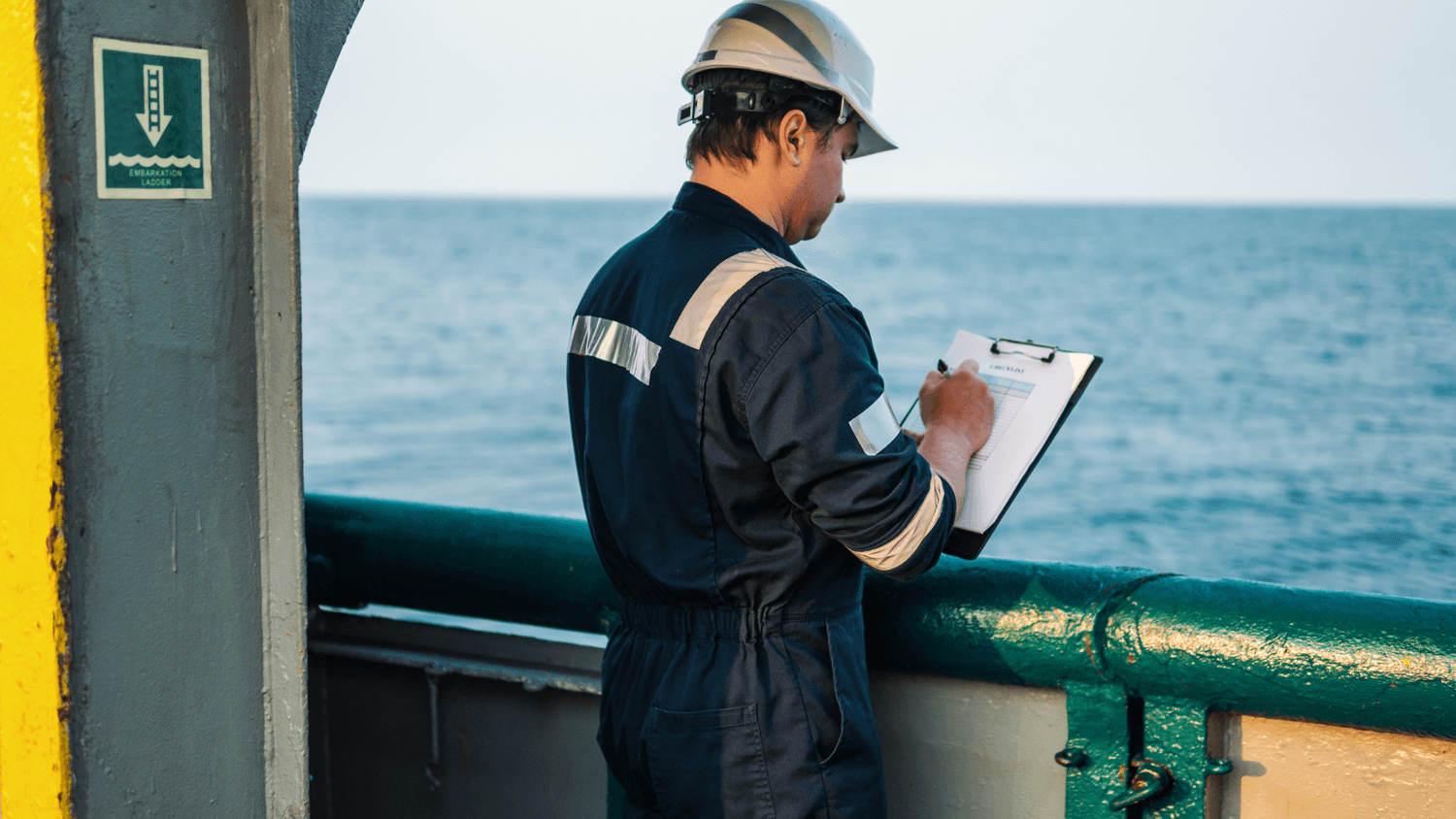
Common Signs of Emotional Overwhelm at Work
Emotional overwhelm at work often develops gradually. For this reason it is not always recognised immediately.
Many highly sensitive professionals report signs such as:
feeling mentally exhausted after normal work days
difficulty switching off after work
absorbing tension or conflict in the environment
feeling responsible for everyone’s emotional climate
needing long recovery time after meetings or social interaction
These reactions are not rare. They reflect the way the nervous system of a sensitive person processes stimulation.
Many sensitive professionals feel drained at work even when they perform well and receive positive feedback from colleagues or managers.

Sensitive Professionals in High Responsibility Roles
Many highly sensitive people choose demanding careers.
They become managers, engineers, consultants, entrepreneurs or therapists.
Their depth of processing allows them to analyse complex situations and detect subtle risks.
At the same time, high responsibility roles can increase emotional load.
Sensitive professionals often carry pressure internally even when they appear calm externally.
My Personal Experience as a Sensitive Professional
Before becoming a therapist I worked for many years as an engineer and executive in corporate environments.
This experience helped me understand the tension many sensitive professionals feel between competence and emotional overload.
During the past ten years of therapeutic work with highly sensitive clients, I have repeatedly seen the same dynamic.
Highly capable professionals who succeed externally yet feel drained internally by the pace and emotional demands of their work.

The Problem Is Often Nervous System Pressure
Many people believe the solution is simply changing jobs.
Sometimes this helps. Often the deeper issue involves how the nervous system responds to pressure, responsibility and emotional signals.
Many highly sensitive people also start questioning whether their professional environment is right for them. You can explore this further in my article about jobs that suit highly sensitive people.
https://www.versione21.com/best-jobs-for-highly-sensitive-people
Therapy with highly sensitive professionals often focuses on
egulating nervous system activation
learning to recognise early signs of overload
creating healthier boundaries at work
reconnecting with professional direction
In some cases we also work on difficult past experiences that may still leave emotional traces in daily life.
Another important aspect involves the way sensitive professionals see themselves.
Many underestimate their intelligence and abilities. Some feel behind others or believe they are weaker because they function differently.
Others maintain extremely high standards for themselves and feel they are never good enough, not in terms of competence but as people.

When Work Creates Constant Emotional Pressure
Many sensitive professionals contact me when they start questioning their ability to continue in the same environment.
They often say:
I know I am capable but something in this work exhausts me
I feel responsible for everything around me
I cannot disconnect after work
These experiences often reflect a misalignment between sensitivity, environment and expectations.
Support for Highly Sensitive Professionals
When emotional overload becomes constant, professional support helps clarify what is happening.
In therapy we work on understanding sensitivity, stabilising the nervous system, releasing emotional blocks linked to past experiences that were never fully integrated, and creating healthier ways to function in professional environments.
I have been working with highly sensitive clients for about ten years. Many people I meet are competent professionals who want to remain engaged in their work without sacrificing their psychological balance.

What Is Emotional Overwhelm at Work for Highly Sensitive People
Emotional overwhelm at work describes a state where the nervous system receives more stimulation than it can process comfortably.
Highly sensitive people tend to notice emotional signals, interpersonal dynamics and environmental details more intensely than others. In demanding professional environments this continuous processing can lead to mental fatigue and emotional overload.
When this state continues for long periods, many sensitive professionals start feeling constantly drained at work even when they remain competent and committed to their responsibilities.

What Is a Sensitive Professional
A sensitive professional is a person who processes information deeply, notices subtle emotional signals in the environment and often carries strong responsibility in their work.
These individuals are often highly conscientious, thoughtful and attentive to quality.
Many work in complex environments where precision, analysis and interpersonal awareness are valuable.
At the same time, this depth of processing can increase the risk of emotional overload when the work environment is highly demanding or constantly stimulating.
Why Sensitive People Often Feel Different at Work
Many sensitive professionals report feeling different from colleagues even when they perform well.
They may need more recovery time after intense meetings, be more affected by conflict or feel responsible for maintaining harmony within a team.
This difference does not mean weakness.
It reflects a different way of processing information, emotions and environmental signals.
FQA
Highly sensitive people process information deeply and notice subtle emotional and environmental signals. In demanding workplaces this constant processing can overload the nervous system and create mental and emotional fatigue.
Yes. Many highly sensitive professionals succeed in complex and demanding careers. Their depth of thinking, empathy and attention to detail are valuable strengths. The challenge often lies in managing nervous system overload and maintaining healthy boundaries at work.
Not always. Emotional exhaustion can be an early sign of burnout, but for many highly sensitive professionals it reflects prolonged nervous system activation and lack of recovery rather than full burnout.
Learning to regulate the nervous system, creating clearer boundaries and understanding personal sensitivity patterns can reduce emotional overload. Therapeutic work often helps professionals recognise early signs of stress and develop healthier ways of functioning at work.
Not necessarily. Some people benefit from changing environments, but many improve their professional experience by adjusting boundaries, work structure and nervous system regulation without changing careers.

Simona D'Isanto
Author
Hi, and welcome to my blog!
Here, I share insights and resources to support your emotional well-being and personal growth.
I also offer individual and group sessions in psychotherapy, coaching, and sophrology — tailored especially for Highly Sensitive People (HSPs).
I’m here to support you in English, French, or Italian. Feel free to explore the website in the language that feels most comfortable for you.
👉 Click here to discover how we can work together
👉 Click here to download my new free guide for Highly Sensitive People :
👉 Click here to buy my journal for Highly Sensitive People :
Follow me


© 2026 Versione21 . ALL RIGHTS RESERVED.
Simona D'Isanto SIRET : 839 889 995 00016
"Conformément aux articles L.616-1 et R.616-1
du code de la consommation, notre société a mis en place un dispositif de médiation de la consommation. L'entité de médiation retenue est :
MEDIATION CONSOMMATION DÉVELOPPEMENT/MED CONSO DEV
En cas de litige, vous pouvez déposer votre réclamation sur son site : https://www.medconsodev.eu
ou par voie postale en écrivant à :
MEDIATION CONSOMMATION DÉVELOPPEMENT/MED CONSO DEV
Centre d’Affaires Stéphanois SAS
IMMEUBLE L’HORIZON – ESPLANADE DE FRANCE
3, RUE J. CONSTANT MILLERET – 42000 SAINT-ÉTIENNE"