
Anxiety and the Highly Sensitive Person: 7 Proven Ways to Manage Overwhelm and Find Inner Peace
Updated on February 17, 2026
Anxiety can feel like a constant background noise if you are a Highly Sensitive Person.
Highly Sensitive People process emotions deeply, notice subtle changes in their environment, and respond intensely to sensory and relational stimuli. Because their nervous system processes more information, they are more prone to emotional overstimulation and prolonged stress activation.

What is anxiety in a Highly Sensitive Person?
Anxiety in a Highly Sensitive Person often develops from repeated nervous system overstimulation, deep emotional processing, and heightened awareness of social and environmental cues.
The stress response activates easily and can take longer to settle.
This does not mean that being highly sensitive is a problem. It means that your nervous system needs specific forms of care and regulation.
In this article, you will understand why anxiety is common in Highly Sensitive People and learn practical ways to reduce overwhelm and calm your nervous system.
Why Are Highly Sensitive People More Prone to Anxiety?
Highly sensitive people and anxiety often go hand in hand for several reasons.
Emotional Absorption
Highly Sensitive People tend to pick up on others’ emotions. When surrounded by stress, conflict, or tension, their anxiety can increase even if the situation is not directly about them.
Deep Processing
Highly Sensitive People reflect deeply on experiences. This can lead to rumination, overthinking, and difficulty switching off before sleep.
Fear of Conflict or Rejection
Negative feedback or relational tension can be felt intensely. Social situations may become a source of anticipatory anxiety.
High Empathy
Feeling deeply for others can create emotional fatigue. Over time, this contributes to chronic stress.
Unresolved Emotional Experiences
Because Highly Sensitive People experience life intensely, overwhelming or traumatic events can leave lasting imprints. If not processed, these experiences can shape a nervous system that remains on alert.
You can read more about trauma and EFT for Highly Sensitive People in this article.
In short, anxiety in Highly Sensitive People is often linked to overstimulation, emotional absorption, deep cognitive processing, and past overwhelming experiences.
If you want to understand high sensitivity more deeply, you can read my article on Understanding High Sensitivity and how it shapes the nervous system.

Anxiety Symptoms in a Highly Sensitive Person
Anxiety in Highly Sensitive People can appear in emotional, cognitive, and physical ways.
You might notice:
Feeling drained after social interactions
Overthinking conversations and decisions
Racing thoughts before sleep
Avoiding crowded or noisy environments
Muscle tension, headaches, or digestive discomfort
Heightened startle response
Difficulty relaxing even in calm situations
When these patterns repeat, the nervous system can remain in a chronic state of activation.

How to Calm Anxiety as a Highly Sensitive Person
Every person is different.
The following strategies are general guidelines. Try them and observe what helps your nervous system feel safer and more regulated.
1.Create a Safe and Restorative Environment
Highly Sensitive People need spaces where stimulation is reduced.
You can support your nervous system by:
Using soft lighting and calming colors
Reducing clutter and visual noise
Playing gentle music or white noise
Creating small daily moments of silence
Your environment directly influences your stress level.

2.Practice Nervous System Regulation
Mindfulness is not about stopping thoughts.
It is about teaching your body to return to safety.
You can try:
Slow breathing exercises with longer exhales
Short guided meditations focused on body awareness
Mindful walks in nature
Grounding exercises such as noticing five things you see and hear
Consistency matters more than duration.

3. Set Clear and Healthy Boundaries
Chronic anxiety in Highly Sensitive People often comes from repeated overstimulation.
Protect your energy by:
Limiting exposure to draining social situations
Communicating your needs clearly
Scheduling breaks between demanding activities
Allowing yourself recovery time without guilt
Boundaries reduce nervous system overload.

4. Engage in Regular Physical Activity
Movement helps regulate stress hormones.
Supportive forms of exercise include:
Yoga and stretching
Walking or light jogging
Strength training
Gentle mobility routines
Physical movement signals completion of stress cycles in the body.

5. Use Journaling to Process Emotions
Writing helps organize emotional intensity.
You might reflect on:
What triggered my anxiety today?
Was this situation about the present or connected to something older?
What would help my nervous system feel safe right now?
Journaling increases self-awareness and reduces rumination.
If journaling feels supportive for you, I created a 30-day guided journal specifically for Highly Sensitive People with structured prompts designed to reduce anxiety and emotional overload.

6. Reduce Stimulants That Increase Anxiety
Caffeine and other stimulants can amplify nervous system activation.
You may experiment with:
Gradually reducing caffeine
Choosing herbal teas such as chamomile or lavender
Drinking more water throughout the day
Some people, like myself, feel calmer with simple habits such as drinking warm water regularly.
What matters is observing what stabilizes your body.

7. Seek Professional Support When Anxiety Feels Overwhelming
If anxiety feels constant, intense, or difficult to manage alone, therapeutic support can help.
Working with a professional who understands Highly Sensitive traits can support:
Nervous system regulation
Processing unresolved emotional experiences
Developing healthy boundaries
Reducing chronic hypervigilance
For many Highly Sensitive People, anxiety is not a weakness. It is a signal that the nervous system has been under strain for too long.

Living with Anxiety as a Highly Sensitive Person
Living as a Highly Sensitive Person with anxiety presents unique challenges, but with the right strategies, it is possible to feel more balanced and grounded.
Understanding your triggers, regulating your nervous system, setting boundaries, and seeking support when needed are practical steps toward inner calm.
Your sensitivity is not the problem. An unsupported nervous system is.
If you recognize yourself in these patterns, support can help you feel safer in your own sensitivity.
You can book a session or download my free guide for Highly Sensitive People to begin understanding your trait and working with it rather than against it.
Frequently Asked Questions About Anxiety and Highly Sensitive People
Yes. Anxiety is more common in Highly Sensitive People because their nervous system processes sensory and emotional information more deeply. This deeper processing increases the likelihood of overstimulation, which can activate the stress response more easily and for longer periods of time.
Common triggers include loud environments, emotional conflict, social tension, lack of recovery time, high expectations, and unresolved past experiences. Because Highly Sensitive People are more attuned to subtle changes, even small stressors can accumulate and create emotional overload.
High sensitivity itself does not cause anxiety. It is a personality trait, not a disorder. However, chronic overstimulation, lack of boundaries, and unprocessed emotional experiences can increase vulnerability to anxiety over time.
Natural ways to calm anxiety include nervous system regulation practices such as slow breathing, regular movement, time in nature, journaling, reducing stimulants, and creating a low-stimulation environment. Consistency and boundary setting are key for long-term regulation.
If anxiety feels constant, interferes with sleep, work, or relationships, or is connected to past overwhelming experiences, professional support can help. Therapy can assist with nervous system regulation, emotional processing, and developing healthier relational patterns.
If you are a Highly Sensitive Person struggling with anxiety, you do not need to manage it alone.
You can book a session or download my free guide for Highly Sensitive People to begin working with your sensitivity in a grounded and structured way.

Simona D'Isanto
Author
Hi, and welcome to my blog!
Here, I share insights and resources to support your emotional well-being and personal growth.
I also offer individual and group sessions in psychotherapy, coaching, and sophrology — tailored especially for Highly Sensitive People (HSPs).
I’m here to support you in English, French, or Italian. Feel free to explore the website in the language that feels most comfortable for you.
👉 Click here to discover how we can work together
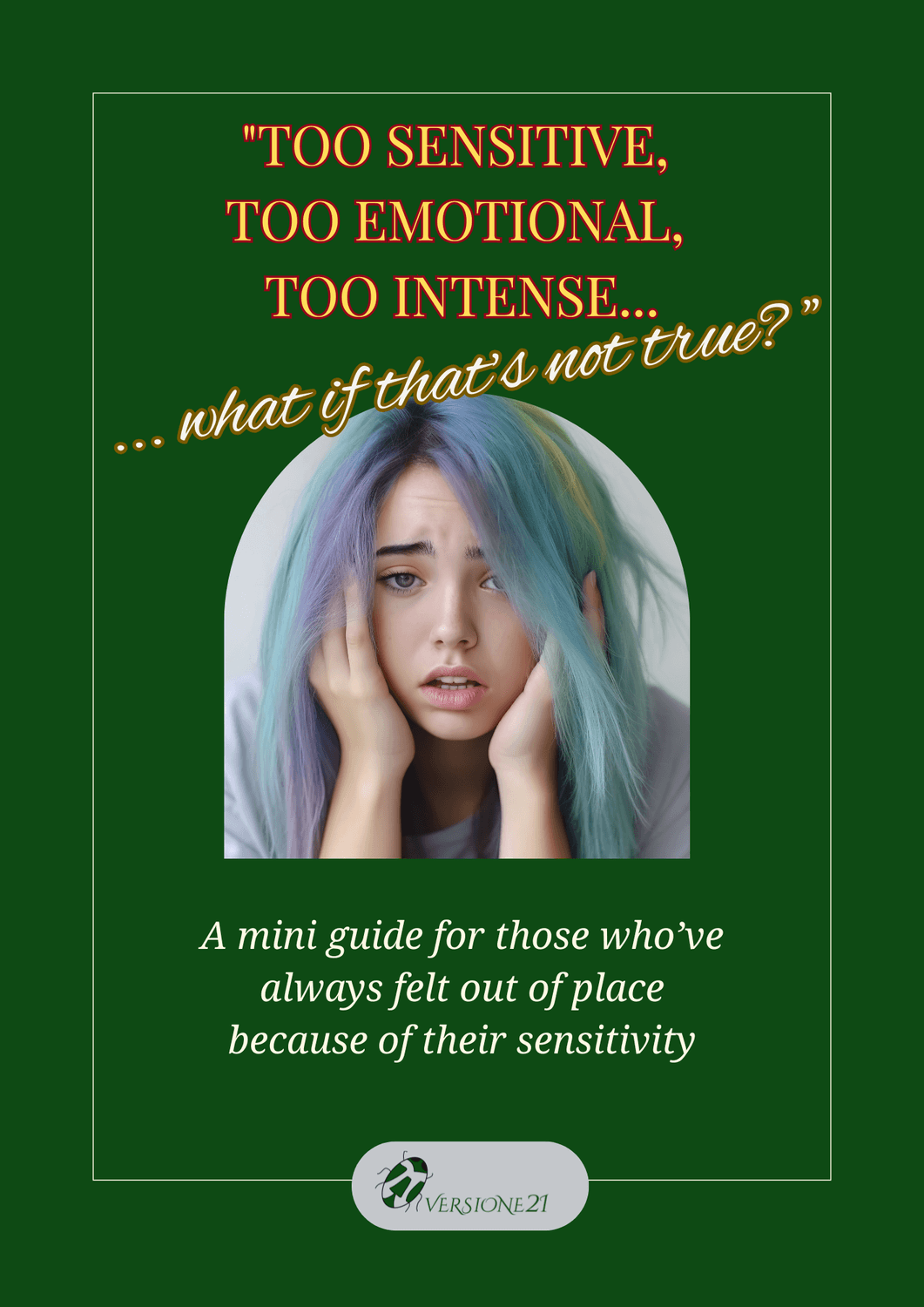
👉 Click here to download my new free guide for Highly Sensitive People :
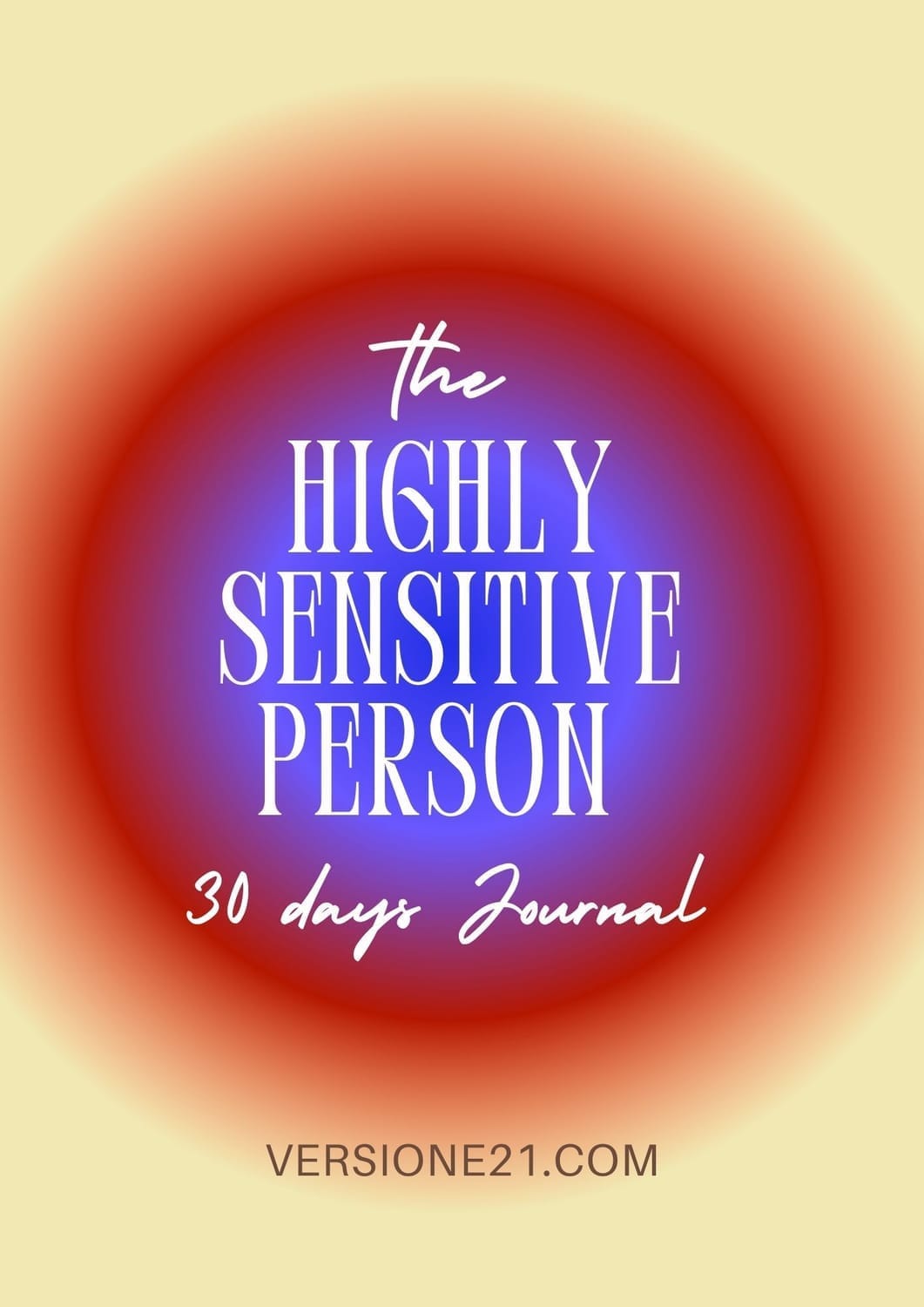
👉 Click here to buy my journal for Highly Sensitive People :
Follow me


© 2026 Versione21 . ALL RIGHTS RESERVED.
Simona D'Isanto SIRET : 839 889 995 00016
"Conformément aux articles L.616-1 et R.616-1
du code de la consommation, notre société a mis en place un dispositif de médiation de la consommation. L'entité de médiation retenue est :
MEDIATION CONSOMMATION DÉVELOPPEMENT/MED CONSO DEV
En cas de litige, vous pouvez déposer votre réclamation sur son site : https://www.medconsodev.eu
ou par voie postale en écrivant à :
MEDIATION CONSOMMATION DÉVELOPPEMENT/MED CONSO DEV
Centre d’Affaires Stéphanois SAS
IMMEUBLE L’HORIZON – ESPLANADE DE FRANCE
3, RUE J. CONSTANT MILLERET – 42000 SAINT-ÉTIENNE"